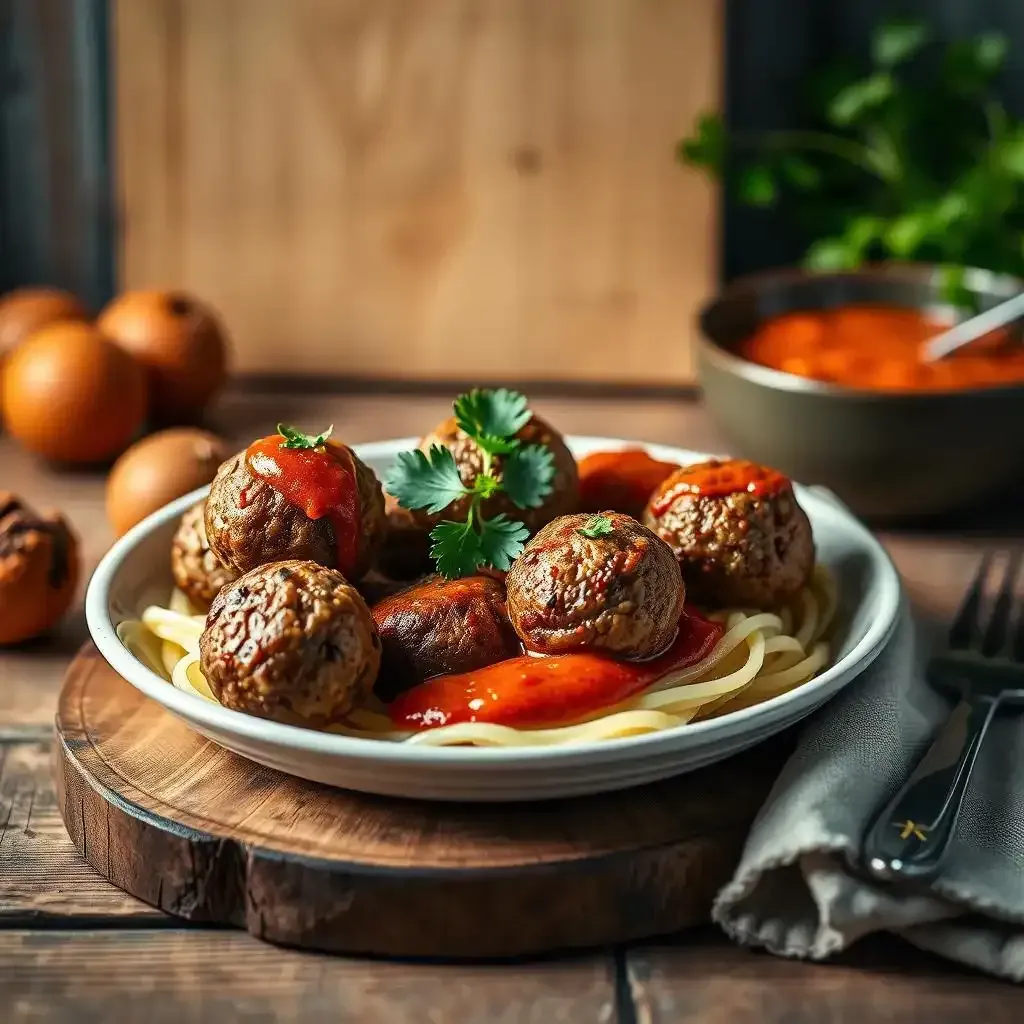
No More Mushy! Master Perfectly Textured Walnut Meatballs
For far too long, plant-based meatballs have carried a reputation that doesn't quite live up to their meaty counterparts. The common lament? A disappointing, mushy texture that crumbles rather than holds, leaving you craving the satisfying chew of a traditional meatball. But what if we told you that achieving truly incredible, perfectly textured plant-based meatballs isn't just possible, it's easily within your reach? Prepare to banish those bland, soft substitutes forever as we dive into the secrets of crafting
walnut meatballs that are so substantial, so flavorful, and so perfectly textured, they might just become your family's new favorite. This isn't just about making a vegan alternative; it's about creating a culinary masterpiece that stands proudly on its own, delivering a deeply satisfying experience with every bite.
The Alchemy of Texture: Why Walnut Meatballs Reign Supreme
The quest for a plant-based meatball that truly satisfies often begins and ends with texture. Many attempts fall short, resulting in dense, heavy balls or, conversely, a crumbly mess. The magic, however, lies in a harmonious blend of humble yet powerful ingredients, where earthy lentils meet the rich, fatty embrace of walnuts. This combination isn't just a substitution; it's an alchemy that transforms simple plant ingredients into something truly extraordinary. Imagine a meatball that holds its shape beautifully, offering a tender bite with a delightful chewiness that mimics the best conventional meatballs. This isn't a pipe dream; it's the reality these walnut meatballs deliver.
The genius of using lentils and walnuts together is their complementary nature. Lentils, when cooked just right, provide a foundational bulk and earthy flavor without being overly dense. Walnuts, on the other hand, bring a crucial richness and a nuanced "meaty" texture, thanks to their natural fats and fibrous structure. Together, they create a robust base that can withstand the cooking process and absorb incredible flavors, defying the common pitfalls of other plant-based options. It’s this synergistic relationship that ensures your meatballs are never mushy, but always wonderfully textured and incredibly satisfying – even earning the seal of approval from avid meatball enthusiasts!
Unlocking the Secret: Key Ingredients for Flawless Walnut Meatballs
The success of your perfectly textured walnut meatballs hinges on understanding and respecting the role each core ingredient plays. It’s not just about what you use, but how you choose and prepare each component.
The Lentil Foundation: Shape and Substance
The unsung hero of our plant-based meatballs is undoubtedly the lentil. But not just any lentil, and certainly not any way of cooking them.
- Choose Wisely: Opt for brown or green lentils. These varieties are known for holding their shape exceptionally well even after cooking, providing the essential structural integrity your meatballs need. Avoid red lentils at all costs, as their tendency to break down into a mushy paste will lead to immediate disappointment in terms of texture.
- Perfectly Cooked is Crucial: This is arguably the most critical step. Your lentils must be tender enough to mash slightly but still retain their individual shape and a slight al dente bite. Overcooked, mushy lentils are the primary culprit behind mushy meatballs. Cook them just until done, then drain thoroughly. A common mistake is leaving them too wet, which can throw off the entire mixture's consistency.
- Practical Tip: Cook lentils with a bay leaf or a piece of kombu for added flavor and easier digestion, then remove before processing. Allow them to cool slightly before combining with other ingredients.
Walnuts: The Heart of the "Meaty" Texture
Fresh walnuts are the true star, providing that coveted meaty texture and a depth of richness that elevates these meatballs from good to extraordinary.
- Freshness is Key: Always choose walnuts that smell sweet and nutty, free from any bitterness or stale aroma. High-quality, fresh walnuts contribute a vibrant flavor that supports the overall profile without overpowering it.
- Textural Contribution: The fibrous nature of walnuts, combined with their healthy fats, creates a wonderful chewiness that mimics ground meat. They provide a satisfying mouthfeel, making the meatballs feel substantial and hearty.
- Nutritional Boost: Beyond texture and taste, walnuts are packed with Omega-3 fatty acids, antioxidants, and essential nutrients, adding an incredible health benefit to your delicious meal.
The Binder and Balancer: Breadcrumbs and Beyond
Breadcrumbs are more than just a filler; they are a vital binding agent and texture enhancer.
- Panko for the Win: While regular breadcrumbs work, panko breadcrumbs are highly recommended. Their larger, flakier structure absorbs moisture beautifully, contributing to a lighter, more tender, and less dense meatball. They prevent the mixture from becoming too heavy or compacted, ensuring that desired "tender but firm" texture.
- Don't Skip This: Breadcrumbs are essential for holding everything together and preventing a crumbly or dense outcome. They provide the necessary structure to form and maintain the meatballs' shape.
- Moisture Control: If your mixture feels too wet, a little extra breadcrumb can help balance it out. Conversely, if it feels too dry, a splash of vegetable broth or water can adjust the consistency, but aim for a pliable, moldable dough.
Flavor Builders: Aromatics, Umami, and Italian Soul
The magic of these meatballs isn't just in their texture; it's in their incredibly rich, authentic Italian flavor profile.
- Aromatic Foundation: Fresh onion and garlic are non-negotiable. Sautéing them gently before adding them to the mix unlocks their essential savory notes, laying down the foundation for deep flavor.
- Warming Spices: Oregano, paprika, and a touch of red pepper flakes (optional, for a little kick) are classic Italian spices that provide warmth and complexity, transforming plant-based ingredients into a truly comforting dish.
- The Umami Duo: This is where the flavor truly intensifies. Tomato paste adds a concentrated, sweet-tart richness, while a dash of soy sauce (or tamari for gluten-free) provides an incredible savory depth that rounds out the flavors. This combination is a secret weapon, creating an umami bomb that tricks the palate into thinking you’ve spent hours developing these complex flavors. Do not substitute these ingredients; they are crucial for that irresistible, rich taste.
Crafting Perfection: Step-by-Step for No-Mush Walnut Meatballs
Armed with your perfectly selected ingredients, it's time to bring these elements together to create your masterpiece. The preparation method is just as crucial as the ingredients themselves in ensuring those perfectly textured walnut meatballs.
Start by preheating your oven to 375°F (190°C) and lining a baking sheet with parchment paper. This step is non-negotiable! Parchment paper prevents sticking and ensures your beautifully formed meatballs remain intact, allowing them to brown evenly without any messy mishaps. Resist the urge to fry them; while frying might seem quicker, it often leads to broken, oily, and structurally compromised plant-based meatballs. Baking allows them to firm up gradually, creating a tender interior with a lovely, slightly crisp exterior.
In your food processor, combine the perfectly cooked and drained lentils with the fresh walnuts. Here's a critical technique:
pulse, don't puree. You want a coarsely chopped mixture that still has visible pieces of lentils and walnuts, resembling ground meat, not a smooth paste. Over-processing will result in a denser, less appealing texture, while under-processing might make them fall apart. The mixture should hold together when squeezed gently in your hand.
Transfer this textured base to your largest mixing bowl. Now, it's time to incorporate the remaining flavor powerhouses: your sautéed onion and garlic, breadcrumbs, tomato paste, soy sauce, oregano, paprika, and any other seasonings like salt and pepper. Use your hands to gently but thoroughly mix all the ingredients. The goal is even distribution without overworking the mixture, which can lead to tough meatballs.
Once combined, it's time to form your meatballs. For consistency in cooking and presentation, use a small ice cream scoop or a tablespoon measure to portion out the mixture. Roll each portion gently between your palms into uniform balls, about 1.5 to 2 inches in diameter. Don't press too hard; a light touch is all that's needed to maintain their delicate structure.
Arrange the formed
walnut meatballs on your parchment-lined baking sheet, ensuring a little space between each one for even air circulation. Bake for approximately 25-30 minutes, or until they are beautifully golden brown and firm to the touch. The baking time might vary slightly depending on your oven and the size of your meatballs, so keep an eye on them. You'll know they're ready when they hold their shape perfectly and have a slight crispness on the outside.
Beyond the Plate: Serving Your Masterpiece
Congratulations, you've mastered perfectly textured walnut meatballs! Now, the fun begins: serving them. These incredibly versatile and nutritious meatballs are fantastic on their own, but truly shine in a myriad of dishes. Their hearty texture and rich flavor make them an ideal addition to classic Italian pasta dishes, simmering beautifully in your favorite marinara sauce. For a lighter, Mediterranean twist, serve them with a refreshing homemade tzatziki sauce – the creamy, tangy notes perfectly complement the savory meatballs. They are also excellent nestled in warm pita bread with fresh vegetables, served over a bed of fluffy rice, or even as a protein-packed addition to a vibrant salad.
Beyond their exceptional taste and texture, these walnut meatballs are incredibly healthy. Packed with the nutritional benefits of walnuts, including heart-healthy Omega-3s, and the fiber and protein from lentils, they offer a wholesome and satisfying meal that nourishes your body without compromising on flavor. They’re a testament to how plant-based eating can be both delicious and incredibly beneficial. So go ahead, experiment with how you serve them, and enjoy the praise these incredible, non-mushy walnut meatballs are sure to bring!
In conclusion, achieving perfectly textured, flavor-packed walnut meatballs is not an elusive culinary feat. By focusing on quality ingredients, understanding the role of each component, and employing precise techniques, you can confidently create plant-based meatballs that will impress even the most discerning palates. Say goodbye to mushy disappointments and embrace the rich, satisfying world of these tender, hearty, and utterly delicious walnut meatballs. Your taste buds—and your guests—will thank you.